
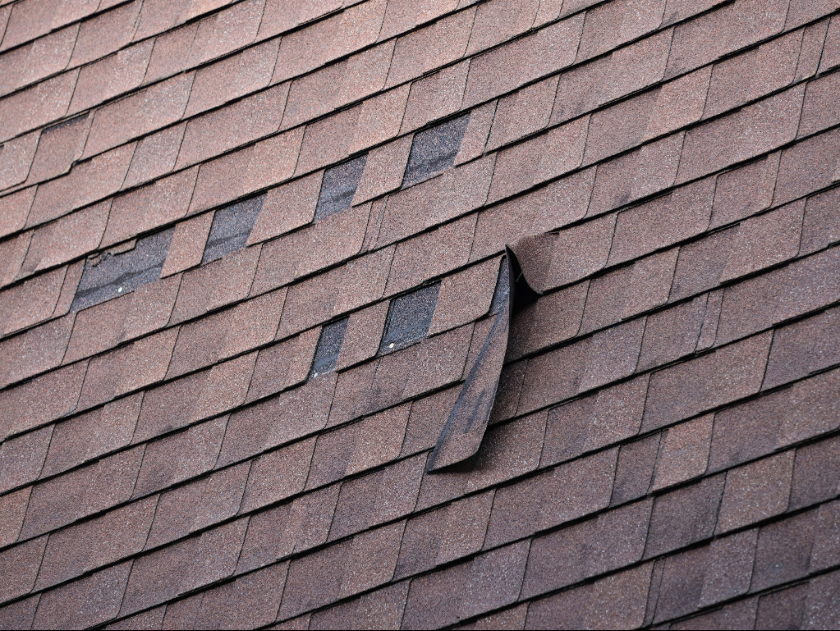
- Thermal degradation occurs when sustained extreme heat bakes asphalt shingles, evaporating essential binding oils and causing premature brittleness, cracking, and structural failure.
- Unvented attic spaces trap heat, elevating roof surface temperatures past 150 degrees Fahrenheit and transforming internal moisture into expanding steam that forces shingle blistering.
- Regular professional roof assessments and intake-exhaust ventilation balancing mitigate thermal shock, preserve granule coverage, and maximize roof lifespan in Louisiana climates.
Louisiana summers impose relentless thermal stress on residential and commercial roofing systems. As a family-owned contractor with over 30 years of local experience, Parish Construction and Roofing delivers reliable, high-performance building solutions to protect properties throughout the Baton Rouge and New Orleans regional areas.
Understanding how heat damages roofing materials helps property owners address thermal degradation before minor shingle issues escalate into major interior leaks.
Blistering vs. Hail Damage: How to Tell the Difference
Distinguishing heat blistering from mechanical impact damage requires close physical inspection.
Blistering occurs when moisture trapped inside an asphalt shingle during manufacturing or installation turns into steam under intense sunlight. The gas expands, forcing the asphalt upward and creating small, hollow bubbles. When these bubbles pop, they leave circular voids where protective granules break away.
In contrast, hail damage leaves dark, bruised indentations that fracture the fiberglass mat beneath without creating raised, hollow domes. Hail impacts displace granules randomly, whereas blister craters usually reveal the black asphalt substrate directly beneath popped bubble rims.
Proper diagnosis ensures accurate insurance claims and targeted roof repair strategies.
Thermal Shock: What Happens When a Hot Roof Gets Rained On
Midday summer surface temperatures on dark asphalt roofs can frequently exceed 150 degrees Fahrenheit. When sudden severe afternoon downpours hit these superheated surfaces, the temperature of the shingles plummets by dozens of degrees within minutes.
This rapid temperature fluctuation induces thermal shock, forcing the roofing material to contract violently. As thermal expansion and contraction recur continuously over time, structural bonds weaken, asphalt coatings fracture from loss of flexibility, seam sealants deteriorate, and metal flashings become unstable.
Granule Loss and UV Exposure
Asphalt shingles rely on ceramic-coated mineral granules to reflect solar radiation and shield the underlying petroleum-based binder from ultraviolet rays. Prolonged heat breaks down these binding oils, reducing flexibility and weakening the physical hold on the mineral coating.
As granules shed into gutters, raw asphalt becomes exposed directly to destructive UV light. Accelerated drying, shrinkage, and surface cracking follow, leaving the roof vulnerable to wind uplift and moisture penetration during rainstorms.
Ventilation: The Key to Preventing Heat Damage
Attic spaces function as massive heat traps when ventilation systems fail or become obstructed. Without balanced ridge vents and soffit intake airflow, attic temperatures can rise significantly, cooking the shingles from underneath and doubling the rate of thermal degradation.
Adequate attic ventilation allows heat and trapped humidity to escape continuously, reducing temperature differentials across the deck and stabilizing structural components. Lower roof temperatures extend material lifespans while reducing thermal loads on internal air conditioning equipment.
Protect Your Investment with Professional Roofing Solutions
Is the Louisiana sun destroying your roof? Schedule a ventilation assessment and roof inspection to extend your shingle life. Contact us to learn more about our comprehensive commercial and residential services.
Photographer: Bill McKeon / Shutterstock