How Ice and Cold Weather Affect Your Roof — And What You Should Do to Protect It
While South Louisiana isn’t known for harsh winters, ice, freezing temperatures, and rapid weather swings can still cause significant roof damage when they do occur. In fact, roofs in warmer climates are often less prepared for cold-weather stress, making them more vulnerable when temperatures drop unexpectedly.
At
Parish Construction & Roofing, we regularly inspect and repair roofs after cold snaps, freezes, and winter storms. Below is what homeowners and commercial property owners need to know—and what you should do to protect your investment.
How Cold Weather and Ice Damage Roofs
1. Thermal Expansion and Contraction
Roofing materials expand when warm and contract when cold. Sudden temperature drops can cause:
Cracked shingles or membranes
Split seams in commercial roofing systems
Loosened fasteners and flashing
Repeated freeze-thaw cycles accelerate wear and shorten roof lifespan.
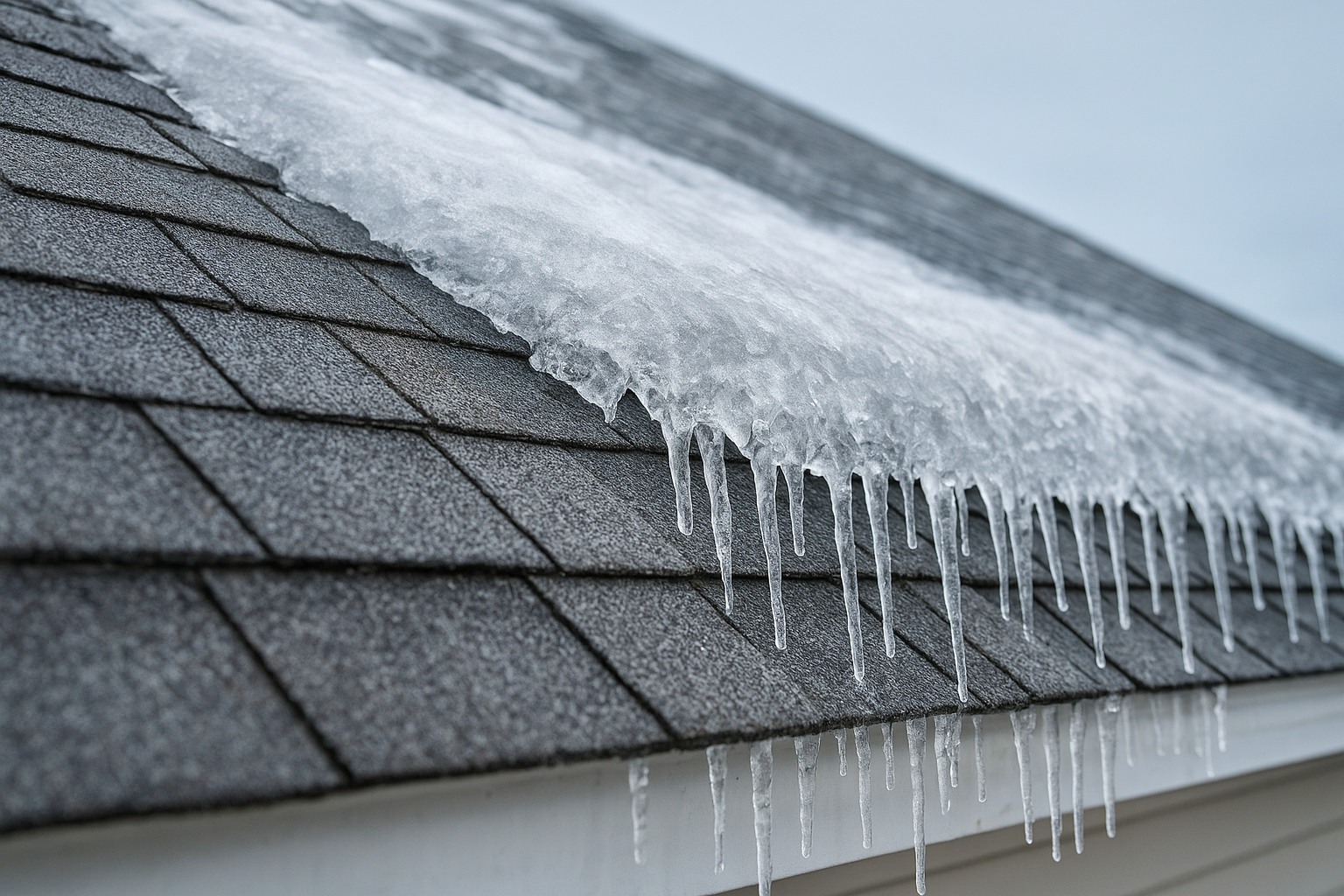
2. Ice Dams and Water Intrusion
When ice forms near roof edges, it can trap melting water behind it. This water has nowhere to go and can:
Back up under shingles or membranes
Penetrate insulation and decking
Cause interior leaks days or weeks later
This is especially common when attic ventilation or drainage is inadequate.
3. Brittleness of Roofing Materials
Cold temperatures make many roofing materials less flexible, increasing the risk of:
Commercial roofs are particularly susceptible if equipment or HVAC units require servicing during cold weather.
4. Hidden Damage That Shows Up Later
One of the biggest risks of cold-weather damage is that you may not see it immediately. Minor cracks or seam separations often don’t leak until the next heavy rain—months later.
What Homeowners Should Do
Inspect (Safely) After Cold Weather
Look for missing, lifted, or cracked shingles
Check ceilings for stains or discoloration
Inspect attic areas for moisture or daylight
Avoid walking on the roof in cold conditions—materials are more fragile.
Keep Gutters and Downspouts Clear
Proper drainage prevents ice buildup and water backup. Even in warmer climates, clogged gutters during a freeze can cause serious problems.
Address Small Issues Early
A minor repair today can prevent a full replacement tomorrow. Cold-weather damage compounds quickly when left untreated.
What Commercial Building Owners Should Do
Schedule Seasonal Roof Inspections
We recommend bi-annual inspections—typically summer and winter—to identify issues before they become operational or financial problems.
Pay Attention to Roof Penetrations
Vents, pipes, HVAC curbs, and drains are common failure points during freeze events. These areas should be inspected closely after cold weather.
Avoid Unnecessary Foot Traffic
Cold conditions increase the risk of punctures and membrane damage. Only essential access should be allowed until temperatures stabilize.
Have a Preventative Maintenance Plan
A proactive maintenance plan allows minor issues to be corrected before they impact tenants, operations, or warranties.
How Parish Construction & Roofing Helps Protect Your Roof
At ParishBuilt, we focus on long-term performance, not short-term fixes. Our cold-weather protection approach includes:
Professional roof inspections
Targeted repairs and detailing
Preventative maintenance programs
Commercial and residential expertise
Clear documentation for owners and property managers
Whether you own a home, a retail center, an industrial facility, or an office building, early action after cold weather can save thousands in future repairs.
Don’t Wait for the Leak
Cold and icy conditions may be short-lived in Louisiana, but the damage they cause can last much longer. If your roof experienced freezing temperatures, ice, or unusual winter weather, now is the time to have it evaluated.
Parish Construction & Roofing is here to help you protect your roof, your property, and your peace of mind.
“Do Business With Someone You Know”