
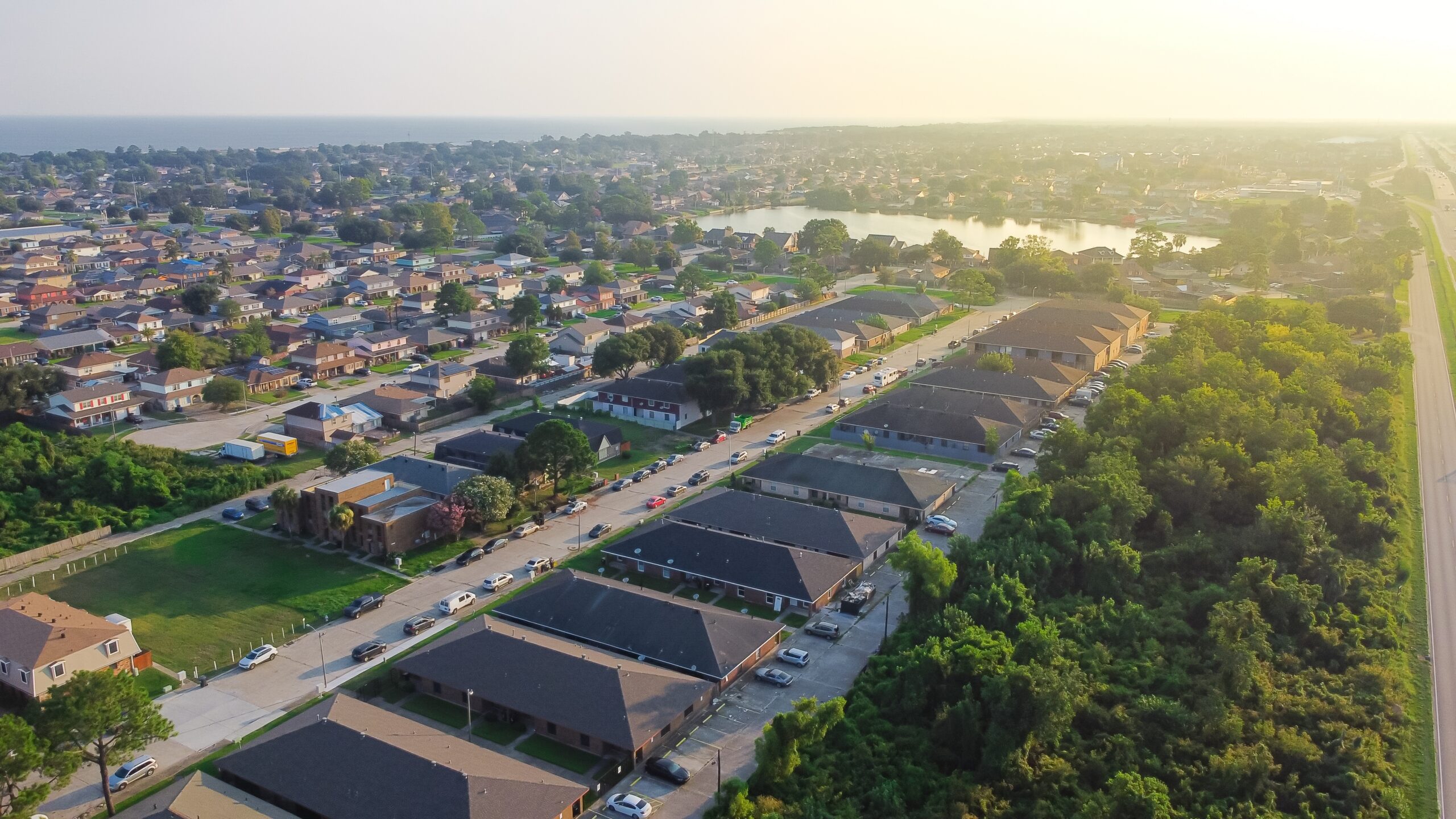
Navigating the homeowners’ insurance market in Louisiana has become increasingly complex. Between rising premiums and the constant threat of Gulf storms, many residents are looking for ways to gain control over their financial future. One of the most effective methods to lower your annual expenses while increasing your home’s durability is investing in a FORTIFIED roof.
At Parish Construction and Roofing, we assist homeowners across Baton Rouge, New Orleans, and the surrounding areas in understanding how a stronger roof translates into real-world savings. While the initial investment might seem higher than a standard roof replacement, the return on investment (ROI) is often much faster than homeowners realize.
What Qualifies as a FORTIFIED Roof?
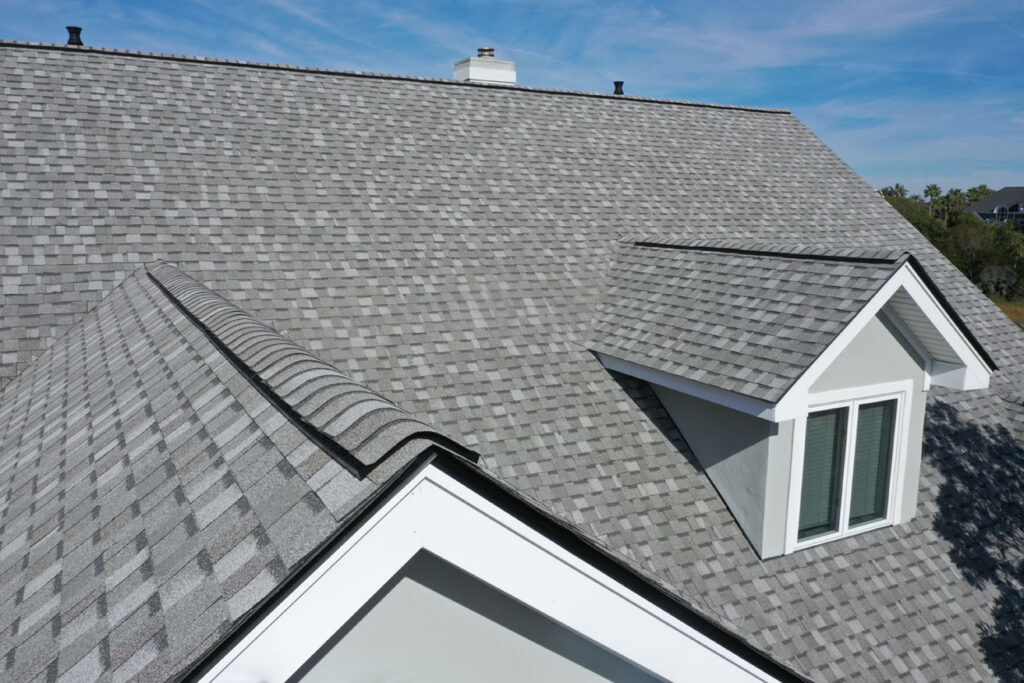
The term “FORTIFIED” refers to a specific building standard developed by the Insurance Institute for Business & Home Safety (IBHS). It is not just about using better shingles; it is a comprehensive system designed to keep your roof attached and your home dry during extreme wind events.
To receive the official FORTIFIED Roof designation, the installation must include:
- Enhanced Roof Deck Attachment: We use ring-shank nails spaced closely together to double the uplift resistance compared to standard roofing.
- Sealed Roof Deck: A specialized water-resistant barrier is applied over the wood deck. If your shingles are blown off, this seal prevents water from entering your attic and causing catastrophic interior damage.
- Locked-Down Edges: Drip edges are installed with specific fasteners and overlapping patterns to prevent the wind from getting underneath the roof covering.
The Math: How Much Can You Save on Homeowners Insurance?
The financial incentive for fortification has never been stronger. Under current Louisiana regulations, insurance companies are required to provide significant discounts to homeowners who achieve a FORTIFIED designation.
Depending on your location—specifically if you are in high-wind zones like New Orleans or Covington—you could see a reduction of 20% to 50% on the hurricane portion of your premium. For many Louisiana families, this translates to annual savings ranging from $1,500 to over $2,500. When you project these savings over the 20-year lifespan of a roof, the upgrade pays for itself multiple times over.
Tax Credits and State Grants Available in 2026
The ROI calculation becomes even more favorable when you factor in state-level incentives. In 2026, Louisiana homeowners have access to several financial tools:
- State Income Tax Credit: You may be eligible for a nonrefundable tax credit of up to $10,000 for the cost of retrofitting your primary residence to the FORTIFIED standard.
- Louisiana Fortify Homes Program (LFHP): This grant program provides up to $10,000 to cover the costs of upgrading your roof. While these grants are distributed via a lottery system, they can effectively eliminate the cost difference between a standard roof and a fortified one.
- Retrofitting Deductions: For those who do not use the tax credit, a state income tax deduction of 50% of the cost (up to $10,000) is available for voluntary retrofitting.
Resale Value: The Hidden ROI of Fortification
Beyond insurance and taxes, a FORTIFIED roof is a powerful selling point. In a competitive real estate market, buyers are increasingly wary of high insurance costs. A home that comes with a certified, storm-resistant roof and guaranteed lower premiums is significantly more attractive than a neighboring property with a standard roof. Appraisals often reflect this added value, ensuring you recoup more of your investment when it comes time to sell.
Start saving on your premiums today. Request a FORTIFIED roof assessment to see how much you could save annually. Contact Parish Construction and Roofing to schedule your inspection.
Image credit: // Shutterstock // Trong Nguyen