- Address wood rot early to prevent water from reaching the interior rafters.
- Fix damaged soffits immediately to block pests from entering the attic.
- Choose between replacing rotted wood entirely or capping it with durable vinyl or aluminum solutions.
Homeowners often notice peeling paint or soft spots along their roofline without realizing these components protect the entire roofing system. Parish Construction and Roofing helps families secure their properties by addressing these vital areas before minor wear becomes a major expense. We know that maintaining your roofline is essential for protecting your property from moisture damage and structural decline. When you look for reliable fascia repair near me, understanding how these components work is the first step to preserving your home.
Fascia vs. Soffit: What is the Difference?
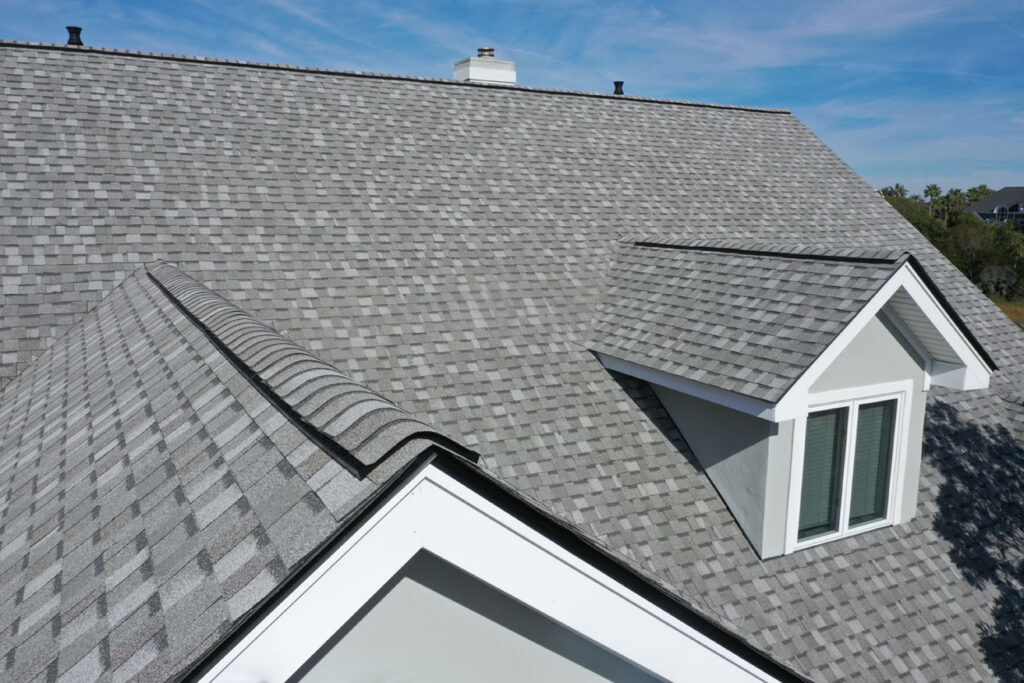
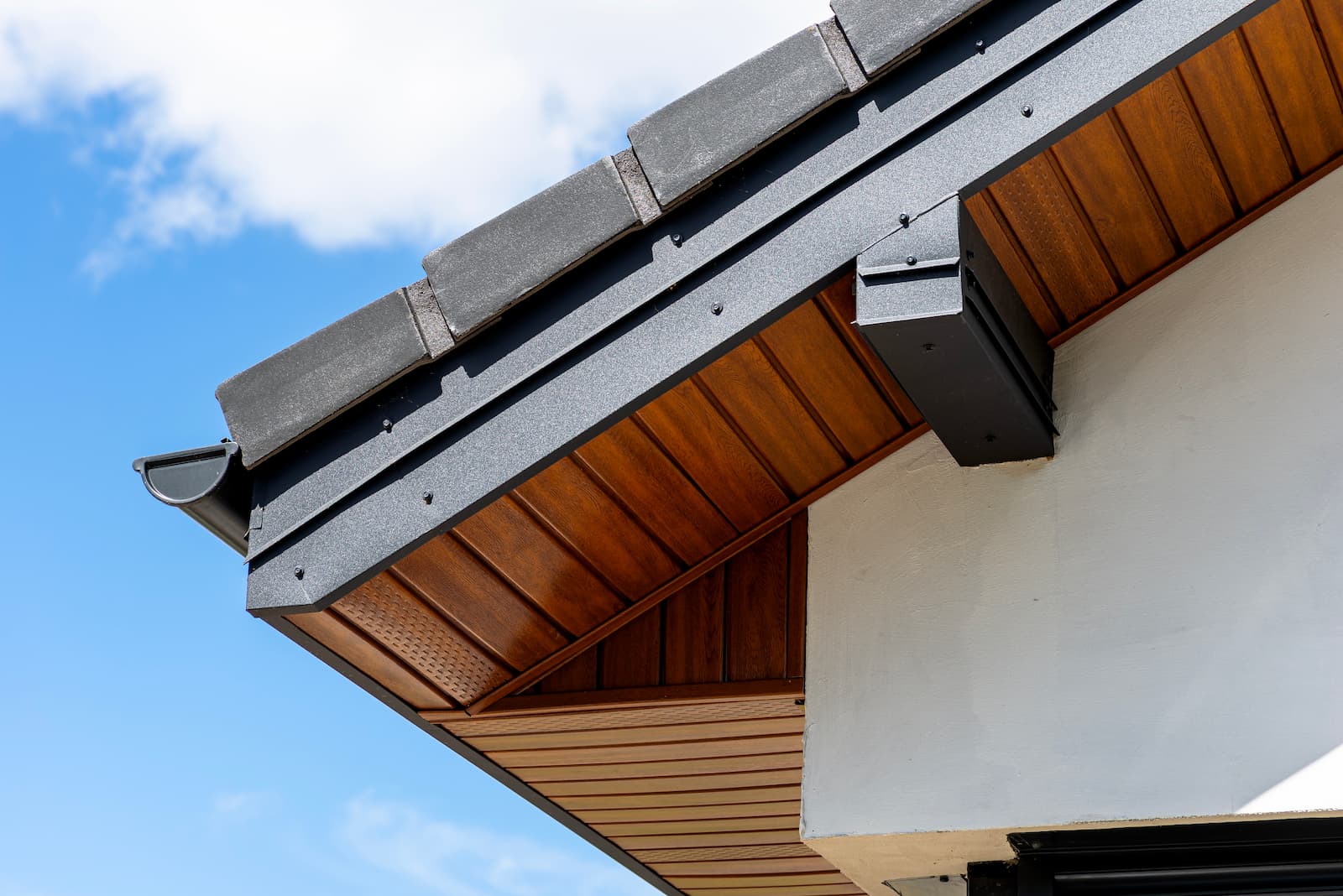
Your roofline consists of several interconnected pieces that keep moisture out. The fascia is the long, straight board that runs along the lower edge of the roof. It is the visible, forward-facing board where your gutters are attached. The soffit is the architectural element located beneath the fascia. It bridges the gap between the exterior wall of your house and the roof edge. Together, these two components seal the underside of your roof rafters, keeping water out while allowing proper ventilation to flow into your attic space.
Why Rot Spreads: The Danger of Ignoring Small Wood Rot
Wood rot is caused by fungi that thrive in damp, dark environments. When water overflows from clogged gutters or slips past broken shingles, it pools on the fascia board. If you ignore a small soft spot, the moisture will inevitably spread. What begins as a minor blemish can rapidly travel upward into the internal roof trusses and rafters. Over time, this compromises the structural integrity of your entire roof, leading to sagging lines and incredibly expensive replacement costs. Addressing the problem immediately ensures your home remains safe.
Pest Infestation: How Damaged Soffits Invite Critters
Beyond water damage, compromised rooflines create an open invitation for unwanted guests. Soffits are designed to let your attic breathe, but when the wood rots or cracks, it creates entry points. Rats, mice, squirrels, and birds are always looking for warm places to build nests. They can easily chew through weakened wood to gain access to your attic. Once inside, these pests chew through electrical wiring, destroy insulation, and leave hazardous waste. Securing your soffits keeps these critters outside where they belong.
Repair or Cap? Vinyl and Aluminum Solutions
When we evaluate your roofline, we determine whether a full replacement or a protective cap is the best path forward. If the wood is deeply rotted and structurally unstable, we must remove and replace the damaged boards. However, if the underlying wood is still strong and healthy, capping is an excellent alternative. Wrapping the wood in high-quality vinyl or aluminum creates a durable, weather-resistant barrier. This solution eliminates the need for constant painting and provides long-term protection against future moisture exposure.
Spotted rot on your roofline? Do not let it spread to your rafters. Schedule a fascia and soffit repair estimate today.
Image credit: // Shutterstock // Kinek00